
Winter gets called a Vata season in some places and a Kapha season in others, and both are right, because winter is really two seasons in one: early Vata, late Kapha, with a turn between them that calls for its own care.
Why early winter is Vata season
Early winter is cold, dry, and windy, the exact qualities of Vata. The cold weather drives heat deep into the body, which makes digestion strong but also dries the body out through vasoconstriction, the narrowing of blood vessels that follows cold. The main work of this half of winter is combating that dryness: soup, stew, casserole, and porridge with a mineral-rich water base, soluble fiber foods like basil seeds, flax seeds, steel-cut oats, psyllium, yams, turnips, and figs, and daily oiling of the body. Vata is also the Dosha most in need of rest in this half of winter: batten-down-the-hatches season, with earlier bedtimes and a focus on nourishing, grounding foods (warm soups, stews, casseroles and porridges).
Why the season turns to Kapha
The turn from Vata to Kapha season, early winter to late winter, is palpable: a shift you can feel happen, not just a date on a calendar. Late winter brings the qualities of Kapha: cold, wet, and heavy, rather than the cold, dry qualities of early winter's Vata. The guidance for this turn is to nourish Vata without overwhelming Kapha with heavy, unctuous foods, since the two Doshas need opposite things at once during the transition.
What changes in practice once Kapha season arrives
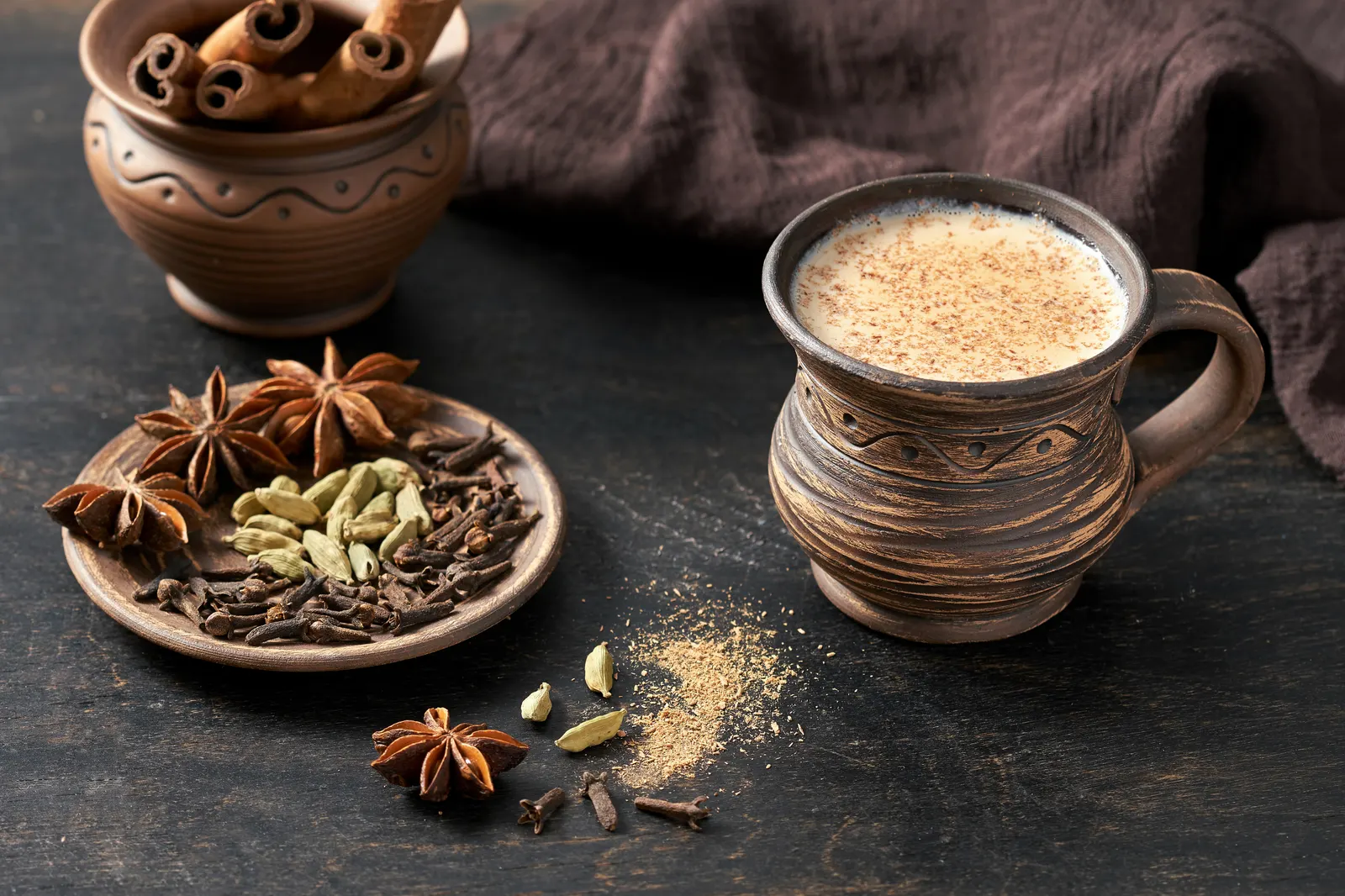
Kapha season calls for self-care practices that keep a heavier, wetter Dosha from stagnating: abhyanga (self-massage), hot yoga, and warm baths. It is a season to spice up and energize, with cinnamon, ginger, and cloves as the foods that keep Kapha moving rather than settling into heaviness. Late winter is also vinegar season, with apple cider vinegar as the most tri-doshic choice and other vinegars suited to specific constitutions. Red wine vinegar is excellent for Kapha. Umeboshi plum vinegar can be supportive for Vata. Pitta doesn't need much vinegar but apple cider vinegar or lime vinegar would be good choices in small amounts.
How to know which half of winter you are in
The shift ties to the turn of the calendar rather than the thermometer: the Vata-to-Kapha transition lands around January, with December still squarely in Vata's cold-and-dry territory (its own teaching focuses on keeping muscles limber against the cold and staying ahead of dehydration) and the move to Kapha's cold-and-wet territory arriving as January turns toward February. The felt signs of the shift are drier skin, achy joints, tight muscles that turn to spasm. These are common signs of Vata increasing just before the Kapha turn.
Frequently asked questions
Is winter a Vata season or a Kapha season?
Both. Winter has two halves: early winter is Vata (cold, dry, windy), and late winter is Kapha (cold, wet, heavy).
When does winter shift from Vata to Kapha?
Around January. The transition sits near the turn of the calendar year, with December still in Vata's territory and the shift to Kapha becoming palpable as January moves toward February.
What are the signs that the season is shifting from Vata to Kapha?
Drier skin and more aches and spasms, both signs of Vata increasing right before the turn to Kapha season.
Does the whole body need the same care through both halves of winter?
No. Early winter's Vata calls for warmth, moisture, and grounding foods to counter dryness. Late winter's Kapha calls for lighter, spiced, energizing foods and movements like hot yoga to counter heaviness.
What foods help during the Vata-to-Kapha turn?
Nourishing but not heavy foods, since the two doshas need opposite things at the same time: nourish Vata without piling on the unctuous, heavy foods that would overwhelm the incoming Kapha. Fenugreek is quite good as it is warming and mucilaginous to support Vata but also bitter to support Kapha.