
In Ayurveda, your spice cabinet is your medicine cabinet. Autumn raises the cold, rough, dry qualities of Vata in the body. The right spices, used the right way, balance those qualities and keep your tissues warm and well. Susan Bass on the three powerhouse spices for autumn (Ceylon cinnamon, ginger, turmeric), plus simple recipes.
Why your spice cabinet is your medicine cabinet
In Ayurveda, our spice cabinet is our medicine cabinet. Eating food cooked with seasonal spices helps to balance the elements in our body and deliver a powerful punch of nature's medicine. In autumn it is often the elements of ether and air (vata) that are increased. If they are not balanced with diet and lifestyle choices, then our tissues can become cold, rough, and dry. Knowing how to use nature's medicine cabinet in the whole food form of spices to keep one's body in balance is an ART.
Where do you start? Follow your nose
My nose tells me what my body wants and needs. Granted, I have spent years doing daily breathing practices and the neti pot to heal my nasal passages, so at this point my nose is a fine-tuned instrument that guides my self-healing process.
I grew up completely unable to breathe through my nose, as I was allergic to a long list of foods that are prevalent in the SAD (Standard American Diet). But after years of practicing Ayurvedic and Yogic principles for the purpose of creating my own health, with a heavy focus on digestion and detoxification, I have arrived in my adulthood without allergies and able to breathe fully through my nose.
Being able to breathe easily through the nose has a plethora of health benefits, but that is for another day. Right now, the topic is: how to balance one's body in autumn with food. Spice it up.
Ceylon cinnamon for the digestive fire
What would autumn be without Cinnamon? Warm baked apples, squash, and pumpkins become so healthy and delicious with Ceylon Cinnamon. Ceylon Cinnamon (aka Sri Lankan Cinnamon) is the ONLY true Cinnamon.
In Ayurveda, we believe that a person is as old as their digestive system, and it just so happens that one of the best ways to stimulate your digestive fire is by eating a baked apple with ghee or coconut butter and fresh-ground cinnamon with breakfast (see recipe below).
Ceylon Cinnamon is highly regarded as an antioxidant that supports healthy blood sugar levels. It has a sweet and pungent taste and is warming to the digestive system. The Vedic texts say that Cinnamon destroys all deep cold in the body. Cinnamon is said to be useful for cold hands and feet, as it increases circulation in the joint space. Cinnamon increases circulation everywhere, especially in the lungs.
Cinnamon pairs very well with two other powerhouse spices: Ginger and Turmeric.
Homage to ginger (fresh and dried, two different effects)
Ginger is known worldwide as a wide-spectrum tonic and remedy. Ginger's benefits include improving digestion, circulation, and immunity while reducing inflammation and nausea.
When ginger is eaten fresh, it initially has a warming effect on digestion, but the post-digestive effect is sweet. Fresh ginger breaks up congestion and burns ama (toxins). If ginger is taken dried, then it has a heating effect during the entire digestive process. So which one you choose depends on whether or not you are dealing with excess heat.
I add fresh ginger to teas, juices, and pretty much any vegetable dish. See fresh ginger tea recipe below.
Turmeric for blood, brain, and inflammation
Turmeric is said to invigorate and move the blood, especially in the brain, as well as stimulate blood formation. A small amount is said to clean the liver and blood. Turmeric also has anti-inflammatory properties. Use it in broths, teas, curry dishes, and to spice up vegetables.
It is important to note that Turmeric is not absorbed well unless taken with a healthy oil (ghee or coconut oil are my favorites). The Cork Cancer Research Centre's test results suggest that turmeric can kill gullet (throat) cancer cells in 24 hours. India has one of the lowest rates of gullet (throat) cancer in the world. Could it be due to their daily intake of Turmeric?
Many health professionals recommend taking the standardized extract of Turmeric root, often called Curcuminoids, to increase the health benefits of Turmeric. But it must be taken with fat to be metabolized by the body properly. Cultured, grass-fed Ghee from pastured cows is our first choice in Ayurveda, as it has a 96% absorption rate, higher than any other healthy fat.
Whichever spice you choose, remember to let your nose guide the way. Your nose knows. (I wonder if it is a coincidence that "nose" and "knows" sound exactly the same. I don't believe in coincidences.)
Simple autumn spice recipes
Baked Apple with Cinnamon and Ghee (or Coconut Butter)
Half and core a whole apple (do not peel). Put a little ghee and fresh grated Ceylon Cinnamon on top. Bake for 20 minutes at 350 degrees. This is a great way to kindle your digestive fire.
Ginger-Turmeric Tea
- 1 qt purified water
- 15 quarter-inch slices of fresh ginger root
- 1.5 tsp dried turmeric powder that has been cooked into ghee or coconut oil
- A pinch of fresh ground black pepper
- 0.5 tsp raw honey added to each cup you drink (optional)
Place the turmeric, ginger, and water together in a pot and bring to a boil. Then simmer uncovered for 15 minutes. Remove from heat and let cool. Strain. The tea will last for up to four days stored in the refrigerator. It is best to drink the tea warm or at room temperature. (Use the stove, not the microwave, to reheat.) Add honey as needed, after the liquid has cooled to drinking temperature (we do not heat honey in Ayurveda, as it destroys the healing properties of the honey).
Roasted Dandelion Root Tea with Fresh Ground Cardamom
For a power punch to break up mucus, pour boiling water over roasted dandelion root and fresh cardamom seeds (discard the green pod). Let it steep for at least five minutes.
Other spices to know
- Cumin (warming digestive support)
- Rosemary (uplifting and warming)
- Nutmeg (warming bitter with a sedative effect)
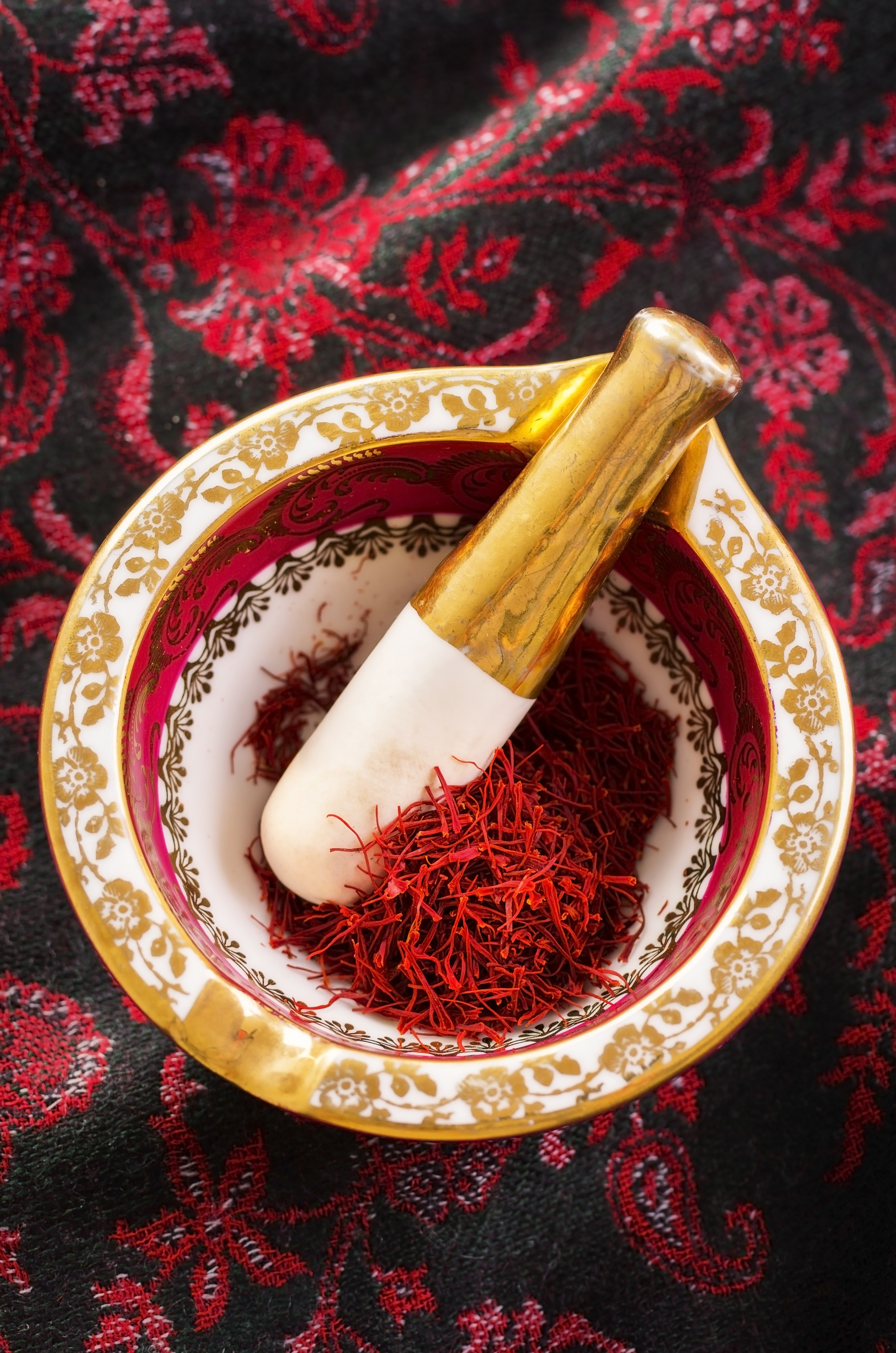
- Saffron (very special astringent spice with a bright orange color indicating loads of carotenoids and antioxidants)
Be sure to contact your doctor before changing anything about your diet, lifestyle, or exercise routine.
Frequently Asked Questions
Why does Ayurveda emphasize spices in autumn? Because autumn increases the cold, rough, dry qualities of Vata. The right spices balance those qualities and keep tissues warm and supple.
What is Ceylon cinnamon, and why does Susan recommend it specifically? Ceylon cinnamon (also called Sri Lankan cinnamon) is the only true cinnamon. It is warming to the digestive system, has a sweet and pungent taste, and is said by the Vedic texts to destroy all deep cold in the body.
What's the difference between fresh ginger and dried ginger? Fresh ginger is warming during digestion but has a sweet post-digestive effect. Dried ginger is heating all the way through. Choose fresh if you have excess heat, dried if you don't.
Why does turmeric need to be taken with fat? Turmeric is not absorbed well unless taken with a healthy oil. Ghee and coconut oil are Susan's first choices. Cultured grass-fed ghee has a 96% absorption rate, higher than any other healthy fat.
How do you make Ayurvedic ginger-turmeric tea? 1 qt water + 15 quarter-inch slices fresh ginger + 1.5 tsp dried turmeric powder cooked into ghee or coconut oil + pinch fresh ground black pepper. Simmer uncovered 15 minutes. Strain. Optional 0.5 tsp raw honey added per cup after the tea cools to drinking temperature.